

When that pesky check engine light flickers on, it’s like your car’s way of saying, “Hey, I need some attention!” One common culprit? An EVAP system leak. While it might sound like a character from a sci-fi movie, this leak can lead to some serious issues if left unchecked. But before you start picturing a wallet-draining repair saga, let’s dive into what it really costs to fix this sneaky little problem.
Overview of EVAP System
The EVAP system plays a vital role in a vehicle’s emissions control. Understanding its components and functions is crucial for identifying potential issues like leaks.
Components of the EVAP System
The EVAP system consists of several key components. Charcoal canisters capture fuel vapors, while the purge valve regulates vapor flow to the engine. Additionally, the fuel tank pressure sensor detects leaks and pressure changes. Hoses connect these components, creating a closed system that minimizes emissions. A leak detection pump may also be present in some vehicles, helping to identify small leaks. Each component contributes to the system’s effectiveness in reducing harmful emissions and ensuring compliance with environmental regulations.
Function of the EVAP System
The primary function of the EVAP system is to prevent fuel vapors from escaping into the atmosphere. This system stores vapors in the charcoal canister, where they undergo purification before being sent to the engine for combustion. During operation, the purge valve opens, allowing engine vacuum to draw vapors from the canister. Consequently, this process enhances fuel efficiency and reduces greenhouse gas emissions. Fuel vapor management also aids in maintaining optimal fuel tank pressure. Proper function of the EVAP system minimizes environmental impact while ensuring smooth vehicle performance.
Understanding EVAP System Leaks
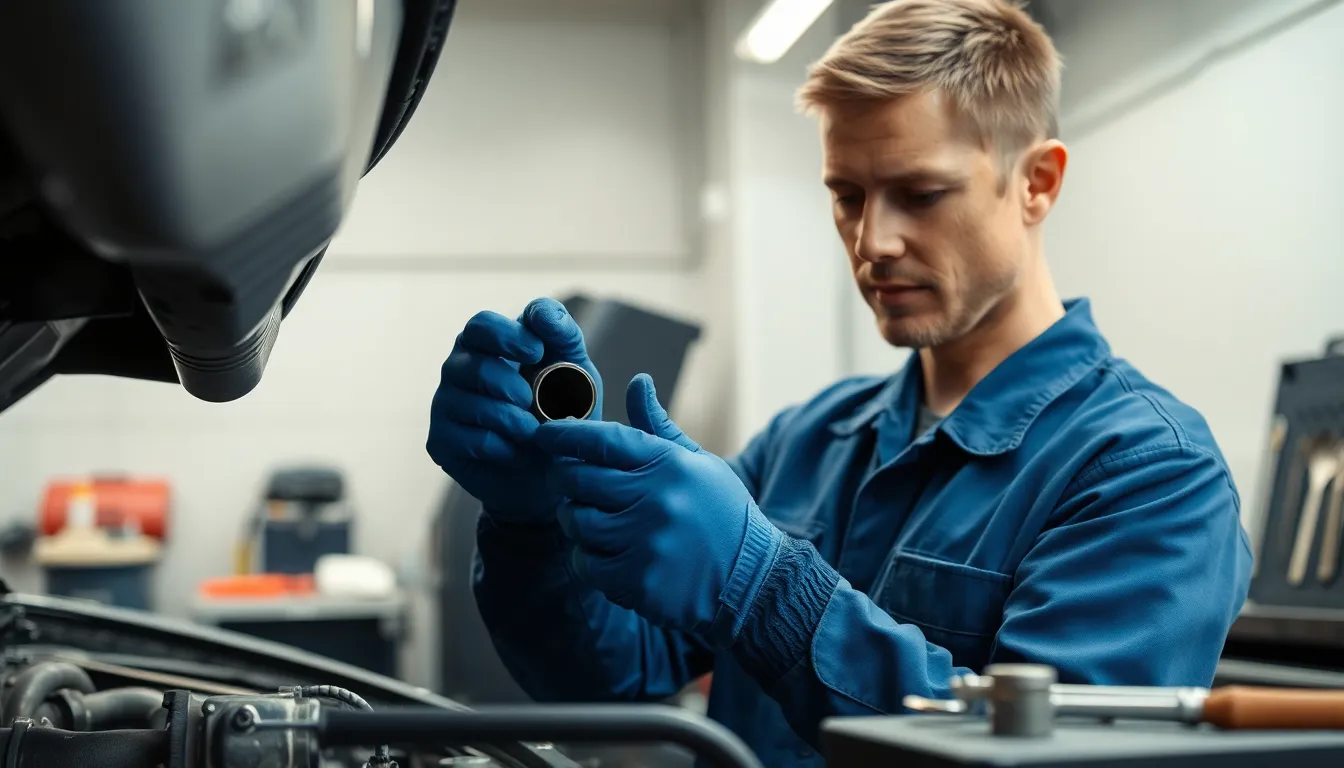
The EVAP system is crucial for controlling vehicle emissions. Leaks can lead to increased emissions and reduced fuel efficiency.
Common Causes of EVAP System Leaks
Faulty hoses often contribute to EVAP system leaks. Cracks or deterioration in these components allow vapors to escape. Additionally, a damaged charcoal canister can lead to significant leaks. Loose or corroded gas caps also cause pressure loss within the system. Environmental factors, such as temperature fluctuations, can impact component integrity. Each of these issues emphasizes the need for regular inspections to identify potential problems early.
Symptoms of an EVAP System Leak
Drivers may notice the check engine light activates frequently. Increased fuel consumption often accompanies this warning sign. Additionally, a vehicle might experience rough idling or difficulty starting. Furthermore, a hissing sound when opening the fuel cap could indicate pressure release. Observing any of these symptoms suggests a possible leak in the EVAP system. Identifying these symptoms early can prevent more serious environmental impacts and ensure proper vehicle function.
EVAP System Leak Repair Costs
Understanding EVAP system leak repair costs helps vehicle owners plan for necessary maintenance. Costs can vary widely based on multiple factors, but knowing the average can alleviate concerns.
Average Cost of Repairs
Repair prices typically range from $150 to $600. Labor costs often account for $100 to $150 per hour, depending on the mechanic’s rates. Parts, such as hoses or charcoal canisters, can cost anywhere from $50 to $300. Vehicles requiring extensive repairs may experience higher costs due to multiple component replacements. Comparing estimates from various mechanics aids in finding competitive pricing, ensuring financial preparedness for repairs.
Factors Influencing Repair Costs
Multiple factors influence the overall repair costs. The location plays a critical role, as urban areas generally have higher labor rates than rural settings. Vehicle make and model also significantly impact costs; some manufacturers use more expensive parts. Severity of the leak affects pricing as well. Minor leaks may require simple hose replacements, while major repairs could involve full system replacements. Access to components may complicate repairs, leading to increased labor time and costs. Regular maintenance can prevent significant issues, ultimately keeping repair costs lower.
DIY vs. Professional Repair
DIY repairs can offer cost savings and a sense of accomplishment. Many vehicle owners opt for this route due to accessibility to online tutorials and repair guides. However, challenges often arise if the individual lacks mechanical experience or specialized tools. Incorrect repairs might lead to further leaks or damage, causing financial strain. For simple issues, like replacing a gas cap, DIY can be effective. When it involves complex components, expertise becomes crucial.
Professional help ensures that repairs are done correctly and efficiently. Technicians possess the necessary training to diagnose and fix leaks accurately. They often provide warranties on parts and services, adding peace of mind. Serious leaks may require advanced tools and diagnostic equipment, making professional services advantageous. Considering the potential for increasing emissions and environmental impact, timely professional intervention is essential when symptoms escalate.
Addressing an EVAP system leak promptly is crucial for maintaining vehicle performance and minimizing environmental impact. Repair costs can vary significantly based on several factors. Vehicle owners should prioritize regular inspections to catch leaks early and avoid higher expenses down the line.
Comparing quotes from different mechanics can help in finding the best pricing. While DIY repairs may save money for minor issues, professional assistance is often necessary for more complex problems. Ultimately, ensuring the EVAP system functions correctly not only enhances fuel efficiency but also contributes to a cleaner environment.