

In a plot twist that sounds straight out of a quirky disaster movie, Canada recently reported its first human case of bird flu. It’s like the avian version of a surprise party, but instead of cake, there’s a virus. While most of us are busy trying to avoid the common cold, health officials are now keeping a close eye on this feathered foe.
Overview of Human Bird Flu
Human bird flu, caused by avian influenza viruses, poses significant health risks. H5N1 and H7N9 are the most notable strains affecting humans. These viruses typically spread from infected birds to humans through direct contact or contaminated environments.
Symptoms of human bird flu vary from mild to severe. They include fever, cough, and difficulty breathing, with some cases leading to pneumonia and respiratory failure. Health officials prioritize early detection and rapid intervention to mitigate outbreaks.
Preventive measures for bird flu focus on reducing exposure to wild birds and contaminated poultry. Vaccination strategies for poultry help protect both animal and human health. Monitoring bird populations aids in identifying outbreaks before they reach human communities.
Public awareness plays a crucial role in managing risks associated with bird flu. Health campaigns emphasize proper hygiene, cooking poultry thoroughly, and avoiding contact with sick birds. Local authorities encourage reporting suspicious bird deaths to facilitate timely responses.
In Canada, vigilance among health departments remains paramount following the reported human case. Continuous surveillance allows for a proactive approach to potential future infections. Health officials emphasize that public understanding of bird flu can enhance community preparedness and prevention efforts.
Recent Cases in Canada
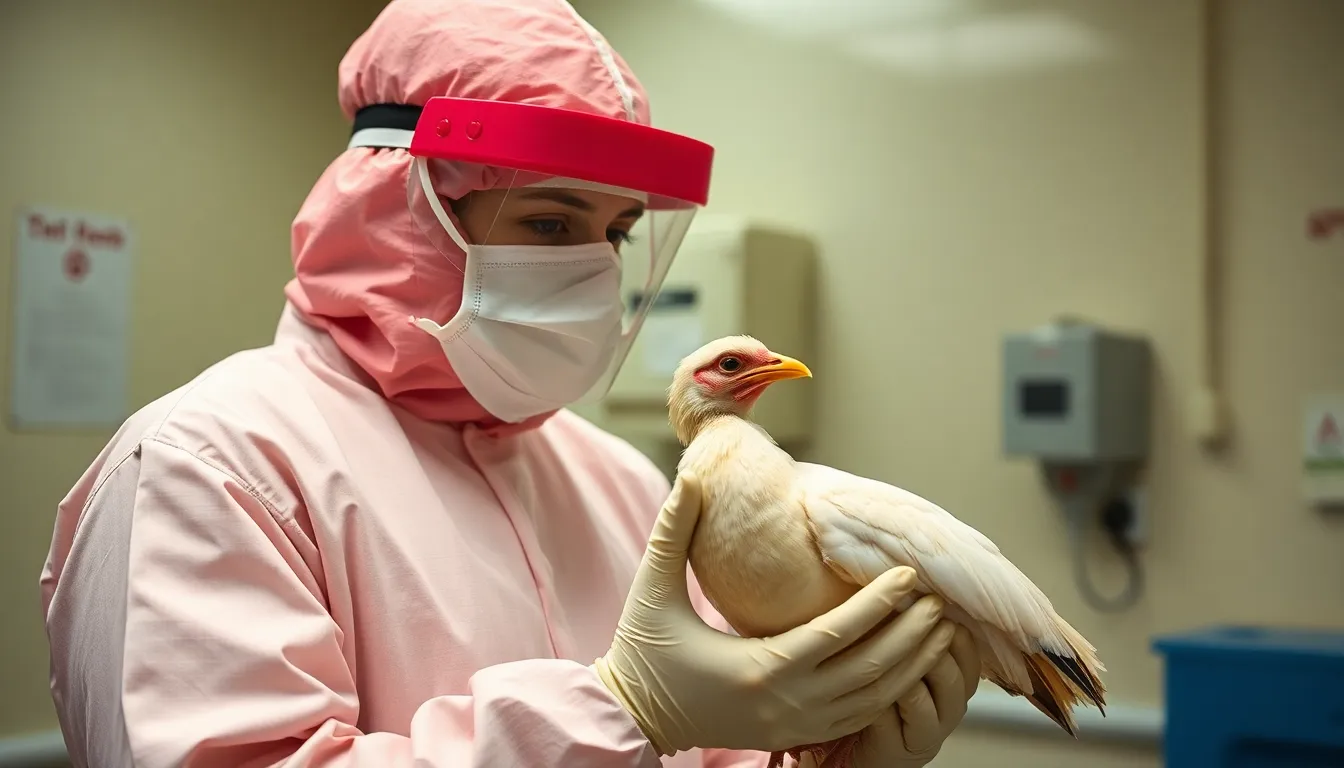
Canada recently reported its first human case of bird flu, raising significant public health concerns. This incident involves the H5N1 strain, known for its transmission risk from birds to humans.
Details of the Latest Incident
The patient contracted the virus after direct contact with infected birds. Initial symptoms included fever and cough, prompting immediate medical attention. Health officials quickly isolated the patient to prevent further spread. Laboratory tests confirmed the H5N1 strain of avian influenza. Surveillance systems became active across regions with reports of similar cases, underscoring the importance of early detection.
Impact on Public Health
Public health systems face increased pressure following this incident. Health advisory bodies emphasize the potential risk of human-to-human transmission, although it remains rare. Vaccination rates among poultry may be affected as health departments urge vigilant monitoring. Increased awareness about bird flu may lead to higher reporting of unusual bird deaths. Communities are urged to adhere to proper hygiene practices to curb potential outbreaks.
Government Response
Canada’s health authorities responded swiftly to the first reported human case of bird flu. They activated enhanced surveillance measures and implemented protocols to address potential risks.
Measures Implemented
Active surveillance in regions with reported cases has prioritized the monitoring of avian populations. Health officials promote public reporting of unusual bird deaths to track potential outbreaks. Increased inspection of poultry farms ensures that health standards are maintained. Public awareness campaigns educate communities on safe practices around wild and domestic birds. Advisories on avoiding contact with infected birds are disseminated widely to mitigate exposure risks.
Vaccination Efforts
Vaccination initiatives focus on protecting poultry against avian influenza strains like H5N1. Efforts target high-risk flocks and areas most affected by the virus. Collaborations with local farmers facilitate access to vaccines, ensuring timely implementation. Vaccination campaigns emphasize the importance of flock immunity, which ultimately supports human health. Regular training sessions for poultry handlers help reinforce biosecurity measures that prevent virus transmission.
Public Awareness and Education
Public education about bird flu is crucial for community preparedness. Increased understanding helps individuals recognize symptoms and report suspicious illnesses promptly.
Importance of Awareness Campaigns
Awareness campaigns play a vital role in informing the public about bird flu risks. They educate communities about transmission routes from birds to humans. Engaging materials, such as brochures and social media posts, enhance public knowledge. Providing clear information on preventive measures reduces the likelihood of infection. Campaigns empower individuals to take actionable steps, like practicing proper hygiene around birds. Successful initiatives promote vigilance among populations, particularly in areas with a high prevalence of avian influenza. Continuing to raise awareness fosters a proactive approach to preventing outbreaks.
Resources for Information
Various resources offer accurate information about the bird flu situation in Canada. Health Canada and the Public Health Agency of Canada provide timely updates on avian influenza. Their websites contain guidelines on recognizing symptoms and safe practices around birds. Local health departments often host community forums or webinars to share relevant information. Collaboration with veterinary services enhances understanding of animal health and safety. Additionally, trusted media outlets report on developments, ensuring the public stays informed. Access to reliable information sources helps individuals make educated decisions about their health and safety regarding bird flu risks.
Canada’s first human case of bird flu serves as a crucial reminder of the ongoing need for vigilance in public health. With the H5N1 strain confirmed in the patient, health officials are taking proactive measures to monitor and contain potential outbreaks.
Public awareness and education play pivotal roles in preventing the spread of avian influenza. By understanding transmission routes and recognizing symptoms, communities can better protect themselves.
As health authorities continue to enhance surveillance and implement safety protocols, it’s essential for individuals to stay informed and engaged. The collaboration between health officials and the public is vital in addressing this emerging health threat.