

Remote work has transformed the way people approach their jobs, offering flexibility and freedom like never before. However, this new landscape also presents unique challenges that can hinder productivity and work-life balance. To thrive in this setting, individuals need effective strategies that help them stay focused and engaged.
From optimizing their workspace to mastering time management, remote work hacks can make all the difference. With the right tools and techniques, anyone can create a productive environment that promotes creativity and efficiency. Discovering these hacks can empower remote workers to navigate their day-to-day tasks with ease, making the most out of their time at home or on the go.
Benefits Of Remote Work Hacks
Remote work hacks offer numerous advantages that contribute to improved performance and satisfaction for employees. These strategies enhance productivity and promote a healthier work-life balance.
Increased Productivity
Increased productivity often results from implementing remote work hacks. Efficient time management techniques, such as the Pomodoro Technique, empower individuals to focus on tasks for 25-minute intervals followed by 5-minute breaks. Streamlined workflows utilizing tools like task management software enhance organization and tracking. Minimizing distractions, such as turning off non-essential notifications and creating a dedicated workspace, leads to better concentration. Additionally, establishing set work hours helps maintain a consistent routine, boosting overall output.
Enhanced Work-Life Balance
Enhanced work-life balance is another significant benefit of remote work hacks. Flexible schedules allow individuals to prioritize personal commitments alongside professional responsibilities. Strategies like setting boundaries between work and personal time ensure that individuals disconnect from work-related tasks, reducing burnout. Incorporating physical activity, such as short exercise breaks during work hours, promotes mental well-being. Moreover, fostering connections with colleagues through virtual social interactions contributes to an inclusive work culture, supporting emotional health while working remotely.
Essential Tools For Remote Work
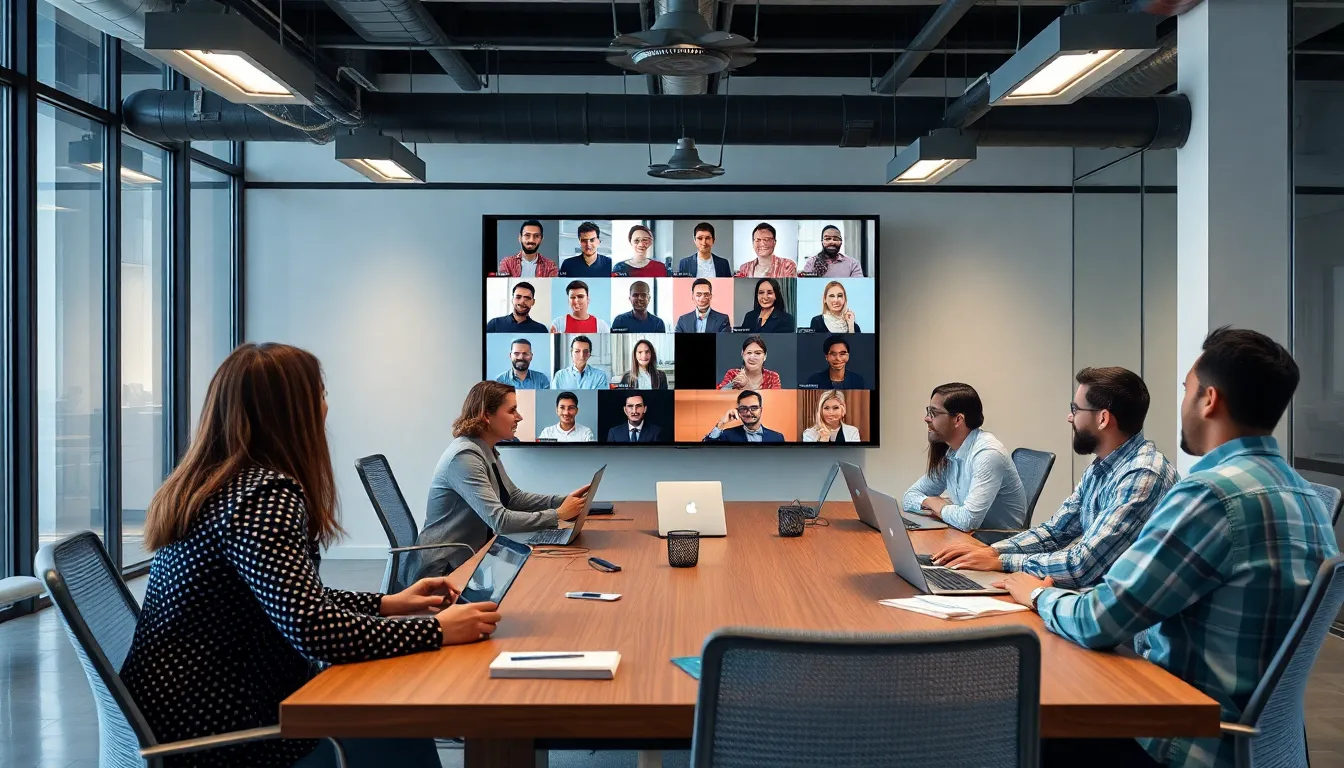
Remote work technology enables effective collaboration, task management, and communication among team members. Selecting the right tools can significantly improve productivity and keep teams connected.
Communication Platforms
Communication platforms facilitate real-time interactions and minimize the barriers of remote work. Popular options include:
- Slack: Provides channels for specific topics, direct messaging, and file sharing, allowing teams to collaborate efficiently.
- Microsoft Teams: Integrates seamlessly with Office 365, supports video conferencing, and includes file sharing features.
- Zoom: Offers reliable video conferencing solutions suitable for virtual meetings, webinars, and larger team gatherings.
These platforms enhance clarity in communication, reduce email overload, and foster quick responses, crucial for project collaboration.
Project Management Software
Project management software organizes tasks, deadlines, and team responsibilities effectively. Notable examples include:
- Trello: Uses boards and cards to visualize tasks, allowing teams to track progress and assign responsibilities easily.
- Asana: Offers task assignments, timelines, and project tracking features, ensuring projects stay on schedule.
- ClickUp: Combines project management and productivity tasks, enabling users to customize views and workflows.
Utilizing these tools improves project transparency, encourages accountability, and helps remote teams stay aligned with goals and deadlines.
Time Management Strategies
Effective time management strategies enhance productivity in a remote work setting. Implementing these approaches allows individuals to maintain focus and achieve their objectives.
Setting Clear Goals
Setting clear goals provides a roadmap for daily tasks. SMART (Specific, Measurable, Achievable, Relevant, Time-bound) objectives create clarity and motivate individuals.
- Specific: Define what needs to be accomplished clearly.
- Measurable: Identify criteria for measuring progress.
- Achievable: Ensure goals are realistic and attainable.
- Relevant: Align goals with overall job responsibilities.
- Time-bound: Establish deadlines to create urgency.
Clear goals lead to better accountability and task direction.
Prioritizing Tasks
Prioritizing tasks ensures critical activities get completed first. Utilizing the Eisenhower Matrix can assist in distinguishing urgent tasks from important ones.
- Quadrant 1 (Urgent and Important): Address these tasks immediately.
- Quadrant 2 (Important but Not Urgent): Schedule time to tackle these tasks.
- Quadrant 3 (Urgent but Not Important): Delegate or limit time spent on these tasks.
- Quadrant 4 (Neither Urgent nor Important): Minimize or eliminate these tasks.
Effective prioritization maximizes productivity and reduces stress, making it easier to focus on what truly matters.
Creating A Comfortable Workspace
Creating a comfortable workspace enhances focus and productivity for remote workers. An optimized setup minimizes distractions and fosters a conducive environment for effective work.
Ergonomics and Setup
Ergonomics plays a crucial role in maintaining comfort during long working hours. A well-designed workspace features:
- Adjustable Chair: Provides support for the lower back and promotes good posture.
- Desk Height: Should allow the worker’s elbows to rest comfortably at a 90-degree angle.
- Monitor Position: Eyes should align with the top of the screen to reduce neck strain, ensuring the screen is approximately an arm’s length away.
- Keyboard and Mouse: Should be positioned to prevent wrist strain, ideally at the same level as the elbows.
In addition, adequate lighting reduces eye strain. Natural light is ideal, but if unavailable, use task lighting that mimics daylight to enhance focus.
Minimizing Distractions
Minimizing distractions is essential for maximizing productivity in a remote setting. Effective strategies include:
- Dedicated Space: Set up a specific area solely for work, creating a physical separation from personal activities.
- Noise-Canceling Headphones: Block out background noise and enhance concentration during tasks.
- Digital Disconnection: Use applications like Focus@Will or Forest to limit distractions from smartphone notifications and social media.
- Timers: Implement techniques like the Pomodoro Technique to segment work into focused intervals, providing natural breaks to maintain energy levels.
Implementing these strategies fosters a more productive work environment while reducing the risk of burnout or fatigue.
Embracing remote work hacks can transform the way individuals approach their daily tasks. By optimizing their workspaces and employing effective time management strategies, they can enhance their productivity and maintain a healthy work-life balance.
Utilizing tools for communication and project management further streamlines workflows and fosters collaboration among team members. As remote work continues to evolve, adopting these strategies will not only improve efficiency but also contribute to overall job satisfaction.
Ultimately, remote work can be a rewarding experience when approached with the right mindset and techniques.