

Coffee fuels millions of mornings around the world, but few consider the intricate journey it takes from bean to cup. The coffee supply chain is a complex web that involves farmers, exporters, roasters, and retailers, each playing a crucial role in delivering that perfect brew. Understanding this supply chain not only highlights the challenges faced by producers but also sheds light on the impact of global trade and sustainability.
As consumers become more conscious of their choices, the demand for transparency in the coffee supply chain grows. From ethical sourcing to environmental concerns, every step in the process affects the quality of the coffee and the livelihoods of those who grow it. Exploring the nuances of this supply chain reveals the interconnectedness of global markets and the importance of making informed decisions for a better cup of coffee.
Overview of Coffee Supply Chain
The coffee supply chain consists of several critical stages that ensure coffee reaches consumers effectively. The journey starts with farmers, who cultivate coffee beans in various regions, primarily in tropical climates. They face challenges such as climate change, pests, and market fluctuations, impacting both yield and quality.
Next, exporters play a pivotal role in connecting local farmers with international markets. They facilitate the collection, processing, and transportation of coffee beans, ensuring proper classification and quality control. Exporters often collaborate with farmers to provide training and support, enhancing production methods.
After exporting, roasters obtain green coffee beans to transform them into the flavorful product consumers enjoy. Roasters determine profiles based on bean origin and roasting techniques, affecting taste and aroma. Consistency in roasting quality directly influences the final product and overall consumer satisfaction.
Finally, retailers bring coffee to the market, ranging from specialty shops to large supermarket chains. They provide consumers with diverse options, including different brewing methods and origins. Retailers also focus on transparency, often highlighting ethical sourcing practices to appeal to conscious consumers.
Throughout the supply chain, sustainability plays a vital role. Producers engage in practices that promote environmental health and social equity. Consumers increasingly demand clarity in sourcing, resulting in a push for certifications and labels that signify ethical standards.
This interconnected supply chain highlights the significance of each participant’s role, emphasizing the importance of informed consumer choices to contribute to better coffee experiences and more sustainable practices.
Key Components of the Coffee Supply Chain
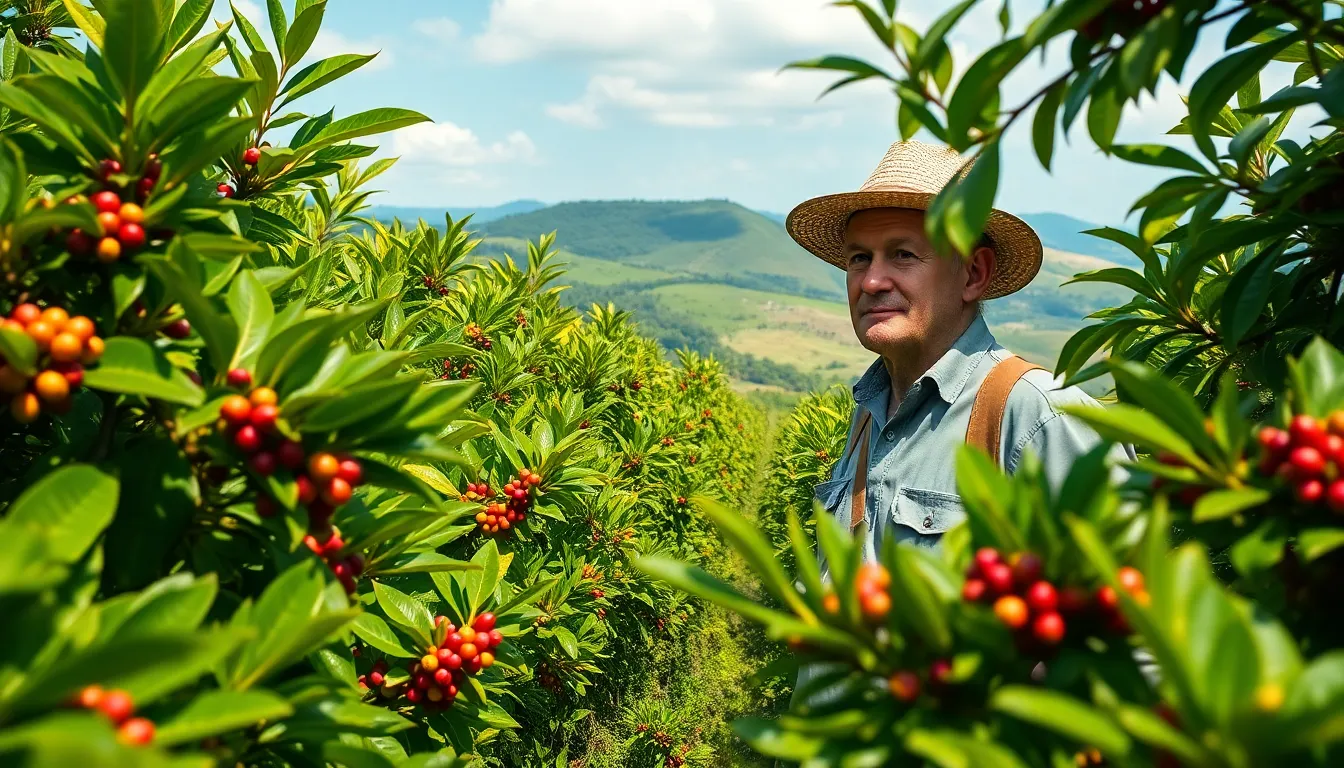
The coffee supply chain consists of distinct stages that contribute to the final product. Each component plays a critical role in ensuring quality and sustainability throughout the process.
Coffee Farming
Coffee farming occurs primarily in tropical regions within specific altitudes. Farmers cultivate two main species: Arabica and Robusta. Arabica accounts for about 60-70% of global coffee production, favored for its flavor profile and aroma. Robusta, known for its higher caffeine content, constitutes the remainder. Farmers face challenges including climate change, pests, and fluctuating market prices, impacting yields and profitability. Sustainable farming practices, such as shade-grown coffee, enhance both environmental health and product quality.
Processing and Milling
After harvesting, coffee cherries undergo processing to extract the beans. Two primary methods exist: wet and dry processing. The wet method involves fermenting and washing cherries, resulting in a cleaner flavor profile. The dry method involves sun-drying cherries, imparting fruity notes. Milling follows, which removes parchment layers and grades beans based on size, density, and quality. Proper processing impacts the final taste, making this stage crucial in determining quality before export.
Exporting and Importing
Exporting and importing connect coffee farmers to global markets. Exporters, often located in producing countries, handle logistics, quality control, and compliance with international standards. They focus on maintaining bean quality during transportation. Importers in consuming countries purchase and distribute coffee to roasters and retailers. Trade policies, tariffs, and global demand influence pricing and availability. Ethical sourcing practices also gain attention, as consumers increasingly seek transparency in the origins of their coffee.
Challenges Facing the Coffee Supply Chain
The coffee supply chain encounters multiple challenges that can disrupt its efficiency and sustainability. Understanding these challenges is crucial for stakeholders at every stage.
Environmental Impacts
Environmental factors pose a significant threat to coffee production. Climate change leads to unpredictable weather patterns, increasing the risk of droughts and floods, which adversely affect yields. Research indicates that coffee-growing regions face rising temperatures that may reduce suitable land for Arabica, which thrives in cooler climates. Additionally, deforestation for agricultural expansion contributes to biodiversity loss, impacting ecosystems that support coffee cultivation.
Pests and diseases, exacerbated by changing climate conditions, further challenge farmers. The coffee leaf rust epidemic, for instance, devastates crops and threatens farmers’ livelihoods. Sustainable practices, such as agroforestry and integrated pest management, help mitigate these impacts, but adoption remains inconsistent among growers.
Economic Factors
Economic conditions significantly influence the coffee supply chain. Global market fluctuations often lead to volatile pricing, placing farmers in precarious positions. When prices drop, smallholder farmers, who constitute 80% of the world’s coffee producers, experience reduced income and face challenges in covering production costs.
Trade policies also shape market dynamics. Tariffs and trade agreements can affect import costs for consuming countries, influencing pricing and availability for consumers. Furthermore, demand for ethically sourced coffee continues to rise, prompting farmers to seek certifications that may come with higher production costs. While these certifications can improve market access and premium pricing, not all farmers can afford to meet the stringent requirements.
Both environmental impacts and economic factors critically shape the coffee supply chain. Stakeholders must address these challenges to ensure a more sustainable and profitable future.
Innovations in the Coffee Supply Chain
Innovations in the coffee supply chain focus on enhancing sustainability and integrating technology for efficiency. These advancements contribute significantly to improving the quality of coffee and addressing environmental challenges.
Sustainable Practices
Sustainable practices in the coffee supply chain involve implementing eco-friendly farming methods and ensuring fair trade standards. Farmers adopt practices such as agroforestry, which incorporates shade trees to enhance biodiversity and protect against climate change. Certifications like Fair Trade and Rainforest Alliance promote responsible sourcing and encourage farmers to adhere to sustainable methods, even though the costs of certification can be high. Collaborations between cooperatives and NGOs help provide farmers with access to training and resources needed for sustainable development. As consumers demand ethically sourced products, these practices not only improve coffee quality but also contribute to the well-being of farming communities.
Technology Integration
Technology integration in the coffee supply chain enhances efficiency and transparency. Innovations such as blockchain technology allow for traceability, ensuring consumers can verify the origins of their coffee. Tools like mobile apps and data analytics enable farmers to monitor crop health and optimize yields. Precision agriculture technologies, including drones and sensors, assist in managing resources more effectively, mitigating the impacts of climate change. Additionally, advancements in processing equipment enhance quality control during milling, ensuring consistent flavor profiles. These technological innovations streamline operations, reduce waste, and promote sustainable practices throughout the supply chain.
Future Trends in the Coffee Supply Chain
Future trends in the coffee supply chain focus on sustainability, technology integration, and consumer preferences. Producers leverage innovative practices to adapt to climate challenges while enhancing coffee quality and traceability.
- Sustainable Farming Practices
Sustainable farming practices gain momentum. Regenerative agriculture techniques, such as cover cropping and agroforestry, improve soil health and ecosystems. These practices also help combat climate change and reduce carbon footprints.
- Technology Integration
Technology transforms the coffee supply chain. Blockchain enhances traceability by allowing consumers to track coffee’s journey from farm to cup. Precision agriculture tools optimize resource management, boosting yields and reducing waste.
- Alternative Coffee Varieties
Interest in alternative coffee varieties rises. Varieties like Gesha and Cascara attract attention due to their unique flavors and potential for higher market prices. Producers diversify crops to withstand climate resilience and changing consumer tastes.
- Direct Trade Relationships
Direct trade relationships expand. Importers increasingly forge connections with farmers, bypassing traditional intermediaries to ensure fair prices. This practice fosters trust and transparency, enhancing the overall sustainability of the supply chain.
- Consumer Demand for Transparency
Consumer demand for transparency intensifies. Shoppers prioritize ethically sourced and environmentally-friendly products, prompting brands to highlight sustainable practices and certifications. This trend influences purchasing behaviors, pushing businesses to adopt responsible sourcing methods.
- Innovations in Processing Technologies
Innovations in processing technologies improve coffee quality. New methods, such as anaerobic fermentation, enhance flavor profiles and uniqueness. These advancements contribute to the rise of specialty coffee markets and attract discerning consumers.
- Emphasis on Climate Resilience
Emphasis on climate resilience grows. Stakeholders invest in research and development to create climate-resistant coffee varieties. This approach addresses the immediate threats posed by climate change, ensuring long-term viability for coffee farming.
- Collaboration with Organizations
Collaborative efforts with organizations become crucial. Partnerships between farmers, NGOs, and corporations enhance access to resources, training, and financial support. This collaboration enables farmers to implement sustainable methods and address economic vulnerabilities.
- E-commerce and Direct-to-Consumer Sales
E-commerce and direct-to-consumer sales expand. Online platforms enable consumers to purchase coffee directly from roasters and farmers, fostering a personal connection to the product. This trend reshapes the retail landscape, promoting unique offerings and niche brands.
These trends indicate a shift towards a more sustainable and resilient coffee supply chain. Stakeholders’ commitment to ethical practices and technological advancements appears essential for navigating the evolving landscape in coffee production and consumption.
The coffee supply chain is a dynamic and intricate system that reflects the interconnectedness of global trade and local practices. As the demand for transparency and sustainability grows, stakeholders are adapting to meet these expectations. Innovations in technology and sustainable farming are paving the way for a more resilient future.
By prioritizing ethical sourcing and environmental responsibility, the coffee industry can enhance both product quality and the livelihoods of farmers. As consumers become more informed and engaged, their choices will continue to shape the landscape of coffee production. The journey from bean to cup is not just about flavor; it’s about fostering a community that values sustainability and fairness in every sip.